10 Things You Should Avoid Putting in a Dumpster
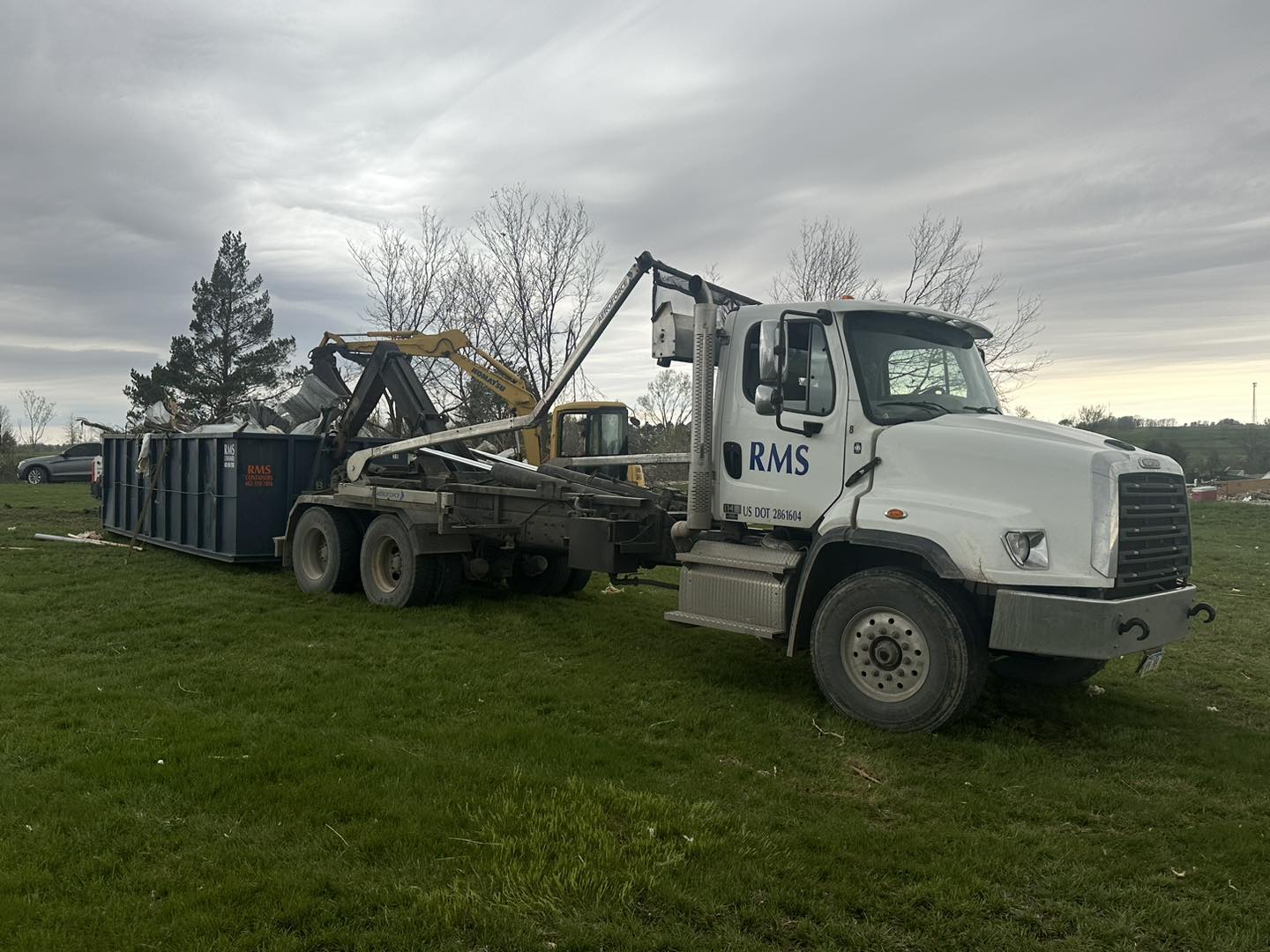
If you’re tackling a home decluttering, remodeling job, or large cleanup, having a rented dumpster on-site makes disposal smooth and stress-free. It provides a single place to dispose of unwanted materials and helps maintain a clean and organized work area. However, not everything belongs in a dumpster. Many substances are restricted by law or pose safety and environmental hazards, so knowing what’s off-limits can help you stay compliant and avoid penalties.
Here at RMS Dumpsters, our mission centers on providing dumpster rentals while encouraging responsible disposal habits. Our focus is to help every customer maximize their dumpster rental experience through correct and compliant waste practices. Knowing which items are not allowed helps you stay compliant and guarantees safe waste management. Here are ten items that should never go into a dumpster, along with why they require special disposal methods.
1. Hazardous Chemicals and Liquids
Substances such as bleach, pesticides, and cleaning solvents can be highly dangerous when disposed of in dumpsters. These substances can leak, mix with other materials, and release harmful vapors that endanger both people and the environment. When they reach a landfill, they can contaminate soil and groundwater, causing long-term damage to the ecosystem.
Avoid putting these chemicals in dumpsters and deliver them to local hazardous waste facilities. Municipal waste programs frequently arrange events to accept and manage hazardous waste properly. By using proper disposal methods, you help safeguard your neighborhood and protect natural resources.
2. Paint Products, Vehicle Oils, and Fluids
You should never dispose of paints, automotive oils, or transmission fluids in dumpsters, as they contain dangerous compounds and metals. Even if they seem harmless, these liquids can spill or leak through containers, contaminating other waste or seeping into the ground. Latex paint might seem like an exception, but it still needs to be properly dried before disposal.
Local repair shops and recycling programs typically accept these fluids for correct disposal or recycling. Many oils can be reprocessed and used again, minimizing environmental impact. Taking a few extra steps to dispose of them properly is a responsible and environmentally friendly choice that supports sustainable practices.
3. Disposing of Batteries Safely
Batteries hold chemicals including mercury and cadmium that can severely pollute ecosystems if not disposed of properly. Improperly discarded batteries can release these toxins into soil and water, endangering animals and people alike. This is especially true for rechargeable or car batteries, which hold larger amounts of these hazardous materials.
Today, many hardware and tech stores provide safe drop-off locations for used batteries. When you recycle used batteries, they’re safely processed, and reusable metals are reclaimed. Even a simple act like battery recycling makes a big difference in conserving natural resources.
4. Why Tires Don’t Belong in a Dumpster
Tires are among the most frequent items improperly discarded in dumpsters. Their size, shape, and material composition make them unsuitable for regular landfills. When buried, they can trap gases that cause them to resurface and damage landfill structures. Discarded tires left exposed also collect rainwater, attracting mosquitoes and insects.
Many tire dealers and recycling facilities welcome old tires for correct disposal. Many facilities repurpose them into playground materials, road construction products, or energy sources through safe incineration. Recycling tires not only keeps them out of landfills but also supports innovative ways to reuse durable rubber materials.
5. Disposing of Electronics and Appliances Properly
Televisions, computers, and household appliances contain components that are not suitable for dumpster disposal. Inside these products are materials such as mercury, lead, and refrigerants that can negatively affect the environment. Disposing of electronics incorrectly can lead to contamination and violations of environmental laws.
E-waste recycling programs are the best way to manage old electronics and appliances. Such facilities break down old devices in a safe manner and separate components for recycling. Participating in such programs helps reduce electronic waste and promotes responsible resource recovery in the tech and appliance industries.
6. Why Medical Waste Should Never Be Thrown in a Dumpster
Items like syringes, bandages, and prescription drugs should always be managed cautiously. Dumping medical waste carelessly can endanger sanitation employees and others exposed to it. Medical items can also spread infections or contamination if not properly contained and treated.
Pharmacies, hospitals, and medical offices often offer programs that safely collect and dispose of medical waste. Many communities provide secure drop-off locations for unused drugs and sharp items. Using these services ensures compliance with public health standards and keeps potentially hazardous items out of general waste streams.
7. Combustible and Explosive Items
Items like propane tanks, gasoline, aerosol cans, and fireworks should never be placed in dumpsters due to their explosive nature. Residual gases or pressure left inside these items can cause them to explode unexpectedly. Placing them in a dumpster exposes everyone nearby to unnecessary danger.
These materials require specialized disposal methods through local hazardous waste facilities. Propane dealers often accept empty tanks to ensure safe recycling and depressurization. By handling flammable items responsibly, you help maintain safety and prevent fires.
8. Disposing of Refrigerators and Air Conditioners Correctly
Cooling units like freezers and air conditioners have chemicals that can harm the atmosphere when released. These materials can damage the atmosphere and contribute to pollution when improperly disposed of. Dumpsters are not equipped to handle the safe removal of such substances, making these items prohibited for regular disposal.
You can take used appliances to facilities that process them in an environmentally safe way. Trained professionals extract the refrigerant safely before recycling the remaining materials. By doing this, we prevent pollution and encourage the reuse of metals and components.
9. Managing Yard Waste Responsibly
While small amounts of yard debris are often acceptable in dumpsters, large quantities of organic waste should not be mixed with regular trash. Grass clippings, branches, and leaves can be composted instead of sent to a landfill. Combining yard waste with other garbage slows down natural decomposition and fills landfills quickly.
Consider composting or using local green waste programs to dispose of yard debris responsibly. Composting creates fertile soil that supports healthy gardens and lawns. By keeping yard waste out of dumpsters, you help reduce landfill strain and support sustainable waste management.
10. Toxic Construction Materials That Require Special Handling
Toxic substances such as asbestos, old paint, and insulation materials should only be removed by certified experts. When disturbed, asbestos fibers can become airborne and cause severe health issues if get more info inhaled. Placing such materials in a dumpster without proper containment violates safety regulations and can lead to significant risks.
If your project involves older buildings, consult with a licensed professional for proper removal and disposal. Proper containment and disposal processes are vital for keeping both workers and the community safe. Responsible handling during construction or demolition protects human health and prevents environmental harm.
Promoting Safe and Sustainable Waste Disposal
Proper waste management is more than a requirement—it is a commitment to community safety and environmental care. Awareness of what belongs in a dumpster prevents pollution and supports eco-friendly living. Each mindful waste decision helps create a cleaner, safer world for the generations to come.
At RMS Dumpsters, we continue to support eco-friendly waste solutions through our trusted dumpster rental services. When you understand what can and cannot go into a dumpster, you can manage your rental safely and sustainably. Together, we can make responsible waste disposal a simple and effective part of every project.